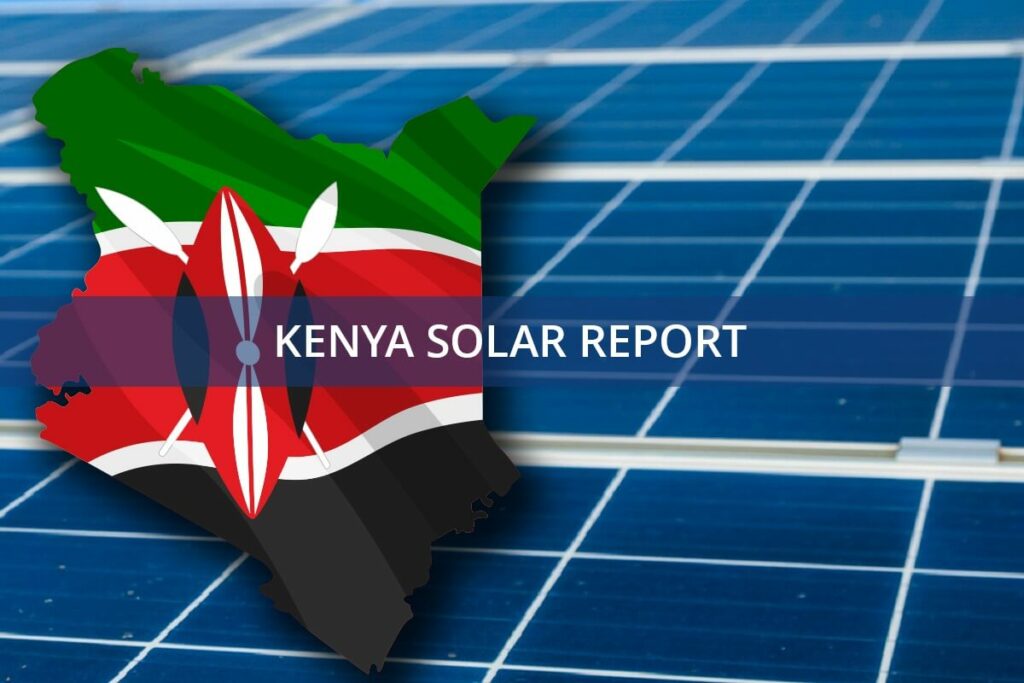
Kenya’s solar energy sector celebrated a landmark year in 2023, with power generation surging by a record 28.1 percent. This remarkable growth was significantly propelled by the commissioning of the new 40-megawatt (MW) Alten Kenya Solar Farms facility in Kesses, Uasin Gishu county, solidifying the nation’s commitment to clean energy.
According to official figures from the Kenya National Bureau of Statistics (KNBS), which sources its data from utility provider Kenya Power, the country’s solar output climbed to an unprecedented 491.48 million kilowatt-hours (kWh). This marks a substantial increase from the 383.54 million kWh generated in the previous year. The boosted output from existing 40 MW plants in Cedate and Malindi also played a crucial role in achieving this new milestone.
The expansion of solar capacity proved critical in stabilizing Kenya’s power supply, particularly during a severe drought early in the year that crippled hydropower generation, causing it to fall by 12.4 percent. While wind generation also saw a 6.2 percent decrease, the combination of increased solar power, robust geothermal energy production, and an additional 200 MW of imported power ensured grid stability. This diversified energy mix enabled Kenya Power to slash its reliance on expensive thermal electricity by 17.5 percent.
Ready to make big Profits?
The solar Industry is Booming
WE HELP NEWCOMERS to the solar industry start their own solar module production line. Customers can make BIG PROFITS by selling modules and finding investors, without wasting money and time on things they don't need!
Currently, the national grid is primarily supplied by four major 40 MW solar plants—Selenkei, Alten, Malindi, and Cedate—along with the smaller 0.3 MW Strathmore solar facility. This successful scale-up has intensified discussions about policy, with growing calls for the government to phase out feed-in tariffs (FiTs) for solar and wind projects, citing the rapidly decreasing costs of renewable technology.
In a parallel effort to reduce costs for consumers, Kenya Power is advancing a donor-supported initiative expected to save Sh2 billion annually. The plan involves retrofitting fuel-dependent off-grid stations with solar panels. Managing Director Joseph Siror explained that these hybrid stations will operate on solar power during the day and switch to diesel generators after sunset. Of the utility’s 30 thermal off-grid stations, 18 are slated to be equipped with solar PV systems, a move that will significantly lower electricity bills by reducing the fuel costs passed on to customers.
Kenya’s abundant sunshine and ambitious clean energy targets are positioning it as a prime destination for renewable energy investment. Opportunities are abundant across the value chain, from utility-scale solar farms and commercial rooftop installations to off-grid solutions for rural communities. However, investors must navigate challenges including evolving regulations, project complexities, and the need for reliable infrastructure reliability. Despite these hurdles, the nation’s solar potential presents a compelling proposition for those looking to participate in its sustainable energy future.
Sources Confirm Kenya’s Solar Power Facility Achieves a Record High of 28 Percent
- New Solar Plant Hits Record High Of 28 Percent – ABDAS
- Beyond the grid: How East Africa is navigating the path to rural …
- The first evidence of a take-off in solar in Africa – Ember
- Africa Leads Growth in Solar Energy as Demand Spreads Beyond …
- Solar power hits record high of 28pc on new plant – Business Daily
- Solar Power at a New Plant Reaches a Record Level Of 28%